Precise removal of unwanted skin lesions
Treatment time: Often just seconds per lesion
Downtime: Minimal
A quick, targeted cryotherapy treatment designed to remove a range of benign skin lesions with exceptional precision.
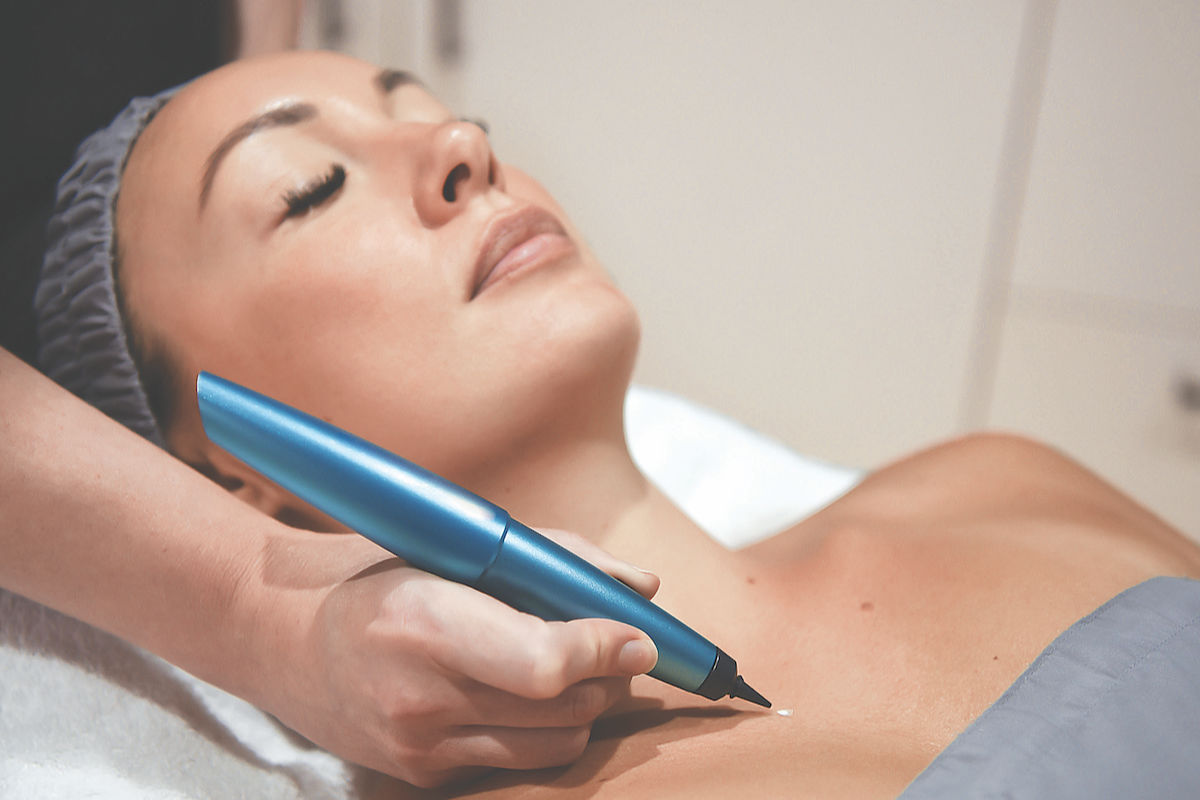
CryoPen uses a highly focused jet of nitrous oxide at approximately -89°C to freeze and destroy targeted lesion tissue while limiting exposure of the surrounding skin.
What can CryoPen treat?
CryoPen may be suitable for a range of benign skin lesions, including:
Precision Cryotherapy
Cryotherapy works by exposing unwanted tissue to extreme cold.
CryoPen delivers a controlled, fine stream of nitrous oxide directly onto the treatment area. Rapid freezing damages the targeted cells, allowing the treated lesion to gradually break down and naturally shed during the healing process.
Its focused applicator allows the practitioner to treat very small areas with considerably greater localisation than broad spray cryotherapy techniques.
What happens during treatment?
GLP-1 medications support weight loss through several mechanisms:
01
Assessment
Before treatment, the lesion is assessed to determine whether CryoPen is appropriate. We will not treat a lesion where its diagnosis is uncertain or where there are features that warrant further medical or dermatological assessment.
02
Treatment
The CryoPen applicator is positioned directly over the lesion and a short, controlled freeze is performed. You are likely to feel an intense cold or brief stinging sensation.
03
Healing
The area commonly becomes red immediately afterwards and may subsequently swell, blister, crust or darken. Over the following days to weeks, the damaged tissue gradually separates and the skin underneath heals.
04
Review if required
Some lesions disappear after one treatment. Others — particularly larger, thicker or more resistant lesions such as warts and verrucas — may require additional sessions.
Why CryoPen?
- What will my skin look like afterwards?
- How many sessions will I need?
- Not every lesion should be frozen
Cryotherapy creates a controlled cold injury, so some reaction from the skin is expected. Immediately after treatment, the area may look red and slightly swollen. A blister – occasionally containing blood – can develop. This can then form a crust or scab before naturally separating as the skin heals.
Depending on the lesion, treatment intensity and location, healing commonly takes approximately 1–3 weeks.
Temporary or persistent changes in pigmentation can occur following cryotherapy, particularly in darker skin tones. Scarring is possible, although CryoPen treatment is designed to precisely restrict the area exposed to freezing. Your practitioner will discuss these risks with you before treatment.
This depends on what is being treated.
Small superficial lesions may respond to a single treatment, while thicker lesions, warts and verrucas can require repeated treatments.
We therefore cannot guarantee complete clearance after one session.
Your practitioner will advise you on the expected treatment course after examining the lesion.
One of the most important parts of CryoPen treatment is knowing what not to treat.
If a lesion looks unusual, has recently changed, is bleeding without an obvious cause, has irregular pigmentation or borders, or its diagnosis cannot be confidently established, further medical or dermatological assessment may be recommended before any cosmetic removal.

Frequently Asked Questions
Frequently Asked Questions
Does CryoPen hurt?
Most patients describe the treatment as a short, sharp cold or stinging sensation. Because the freeze itself is brief, the discomfort usually passes quickly.
Is CryoPen the same as liquid nitrogen?
Both are forms of cryotherapy, but CryoPen devices use a precisely directed stream of nitrous oxide rather than applying liquid nitrogen over a broader area.
Will it leave a scar?
Any treatment which intentionally destroys skin tissue carries some risk of scarring. CryoPen’s precise application helps restrict treatment to the intended area, but scarring cannot be ruled out.
Pigment changes are another recognised risk following cryotherapy.
Can you remove a mole with CryoPen?
Pigmented lesions should be appropriately assessed before treatment. We do not simply freeze lesions where the diagnosis is uncertain or where there are suspicious clinical features.
Where appropriate, we may recommend assessment by a doctor or dermatologist instead.
What if I don’t know what my skin lesion is?
Book an assessment rather than choosing a treatment yourself. We can examine the lesion and advise whether CryoPen is appropriate or whether another form of assessment or treatment would be preferable.
Can several lesions be treated at once?
Yes, where clinically appropriate, multiple lesions can usually be treated during the same appointment.
Can the lesion come back?
Yes. Recurrence is possible following cryotherapy and some lesions require repeat treatment.
Ready to remove it?
Whether it is a skin tag that keeps catching, a stubborn wart or another unwanted benign lesion, book an assessment and find out whether CryoPen is suitable for you.